
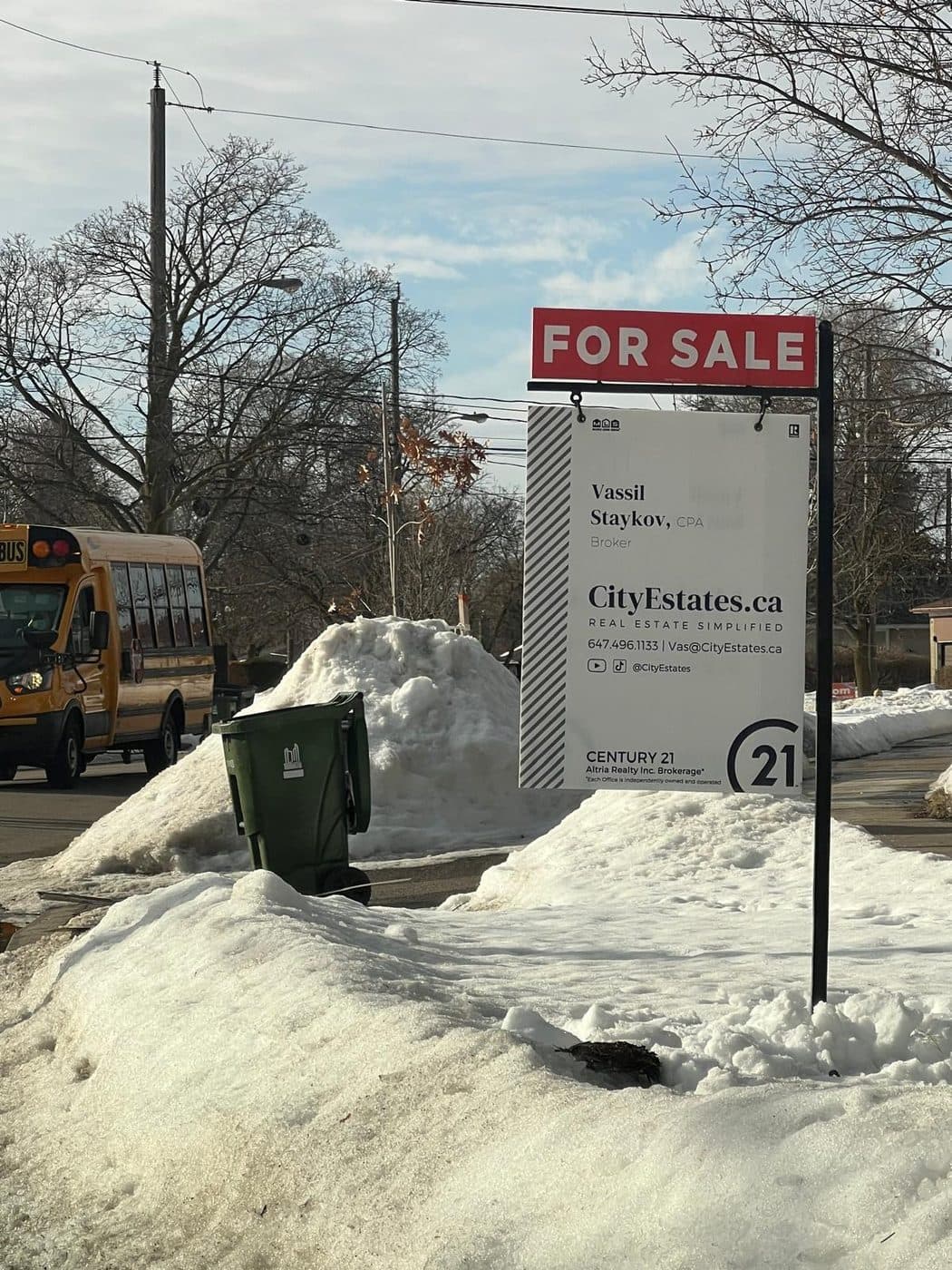
The answer comes down to one question: does selling your current home fund the purchase of the next one? For most downsizers it does, which means you are sensitive to what your house actually sells for. If that is you, my default is to sell first and buy second. But I want to be precise, because people hear 'sell first' and picture selling the house and then scrambling to find somewhere to go. That is not it. The right order is to start your search first, well before you list, and only then sell, with a realistic plan for buying.
If the proceeds from your sale set your budget, you cannot commit to a purchase price until you know your sale price. Say your home is worth $1.5 million and you are eyeing a $900,000 condo. If it sells for $1.35 million instead, you may need to trim your purchase budget to account for the difference, depending on your overall financial situation. It does not necessarily come down dollar for dollar, but something usually has to give, and you do not want to be locked into the $900,000 place while hoping the sale makes up the gap. Buying first and selling after exposes you to exactly that risk. Selling first removes the guesswork, because you are working with a real number instead of a hopeful one.
Selling first does not mean selling blind. Long before you list, you should be researching the destination: the buildings and areas you would actually want, what comes up and how often, how long those units sit, and how quickly they sell. By the time your house hits the market, you want to already know the inventory and your real odds, not be starting from zero. When you do sell, you negotiate a longer closing, ninety days, sometimes a hundred and ten, which gives you room to find the right place, and in a softer market buyers are often flexible on timing. Even then, the dates do not always line up perfectly, so a short-term rental or other temporary accommodation is sometimes part of the plan. Preparing early also opens up options you cannot get at the last minute. If I know well in advance that a client wants a particular building, I can often work my network to find an off-market unit before it ever lists, and with enough lead time you can sometimes line that purchase up with the sale of your house so both happen together.
I had exactly this situation. We sold a client's house for about $1.6 million, with a budget just under $800,000 for the next place. After exploring around nine buildings and narrowing to what they actually responded to in person, we bought a brand-new off-market penthouse for $765,000. The search work happened before and during the sale, so the day the house sold, we were already looking seriously and preparing offers.
None of this is one-size-fits-all, and the market matters. Selling first works best when there is enough suitable inventory that finding a replacement is realistic. When good options are scarce, or in a genuinely hot market where homes like yours sell fast and competition for the place you want is fierce, buying first can make more sense, because securing the right property can outweigh the timing risk. I will not pretend the next home is guaranteed to appear on schedule. It usually does when you have done the homework and set expectations properly, but if it does not, a short-term or one-year rental buys you grace so you are never forced to settle.
The hardest part of selling first is rarely the logistics. It is the stretch between selling and buying. I have had cautious clients who were stressed for the thirty days after a sale while we searched, and I understand why. If you are not living in the market day to day, it is hard to believe how much comes up in a month or two. But your agent can show you the cadence of the buildings you are targeting, roughly how many units come up in a year, which months they tend to appear, and how fast they go, so you have a realistic sense of your window instead of sitting in the dark.
Start early for one more reason. Downsizing is decades of belongings and memories, and clearing the house physically is the easy part. The hard part is that only you can decide what stays and what goes, and that takes time and usually some help from family or a close friend. The more runway you give yourself, the less that piece pressures the rest of the move. I will get into that side of it in a separate piece on where to actually begin.
One last point, because downsizing does not always mean spending less. Plenty of people sell a house and move into something of similar value, just higher end, with amenities and none of the upkeep. The advice does not change, though timing can cut both ways. Some higher-priced condos do move more slowly, which gives you more room. But the buildings downsizers actually want often have limited inventory and can be very competitive, with good units taken quickly. The specific building and what is available in it matter far more than the price category alone. I have had clients sell first and rent in one of those buildings for a year to try it on before committing to buy.
So, sell first or buy first? If your next home depends on what this one sells for, sell first, but start the search long before you list, so you are selling with a plan and buying with a real budget. If you want help mapping out the destination before you make any moves, that is exactly the kind of thing worth starting early.