
When a house sits on the market, it almost always comes down to one of two things. Either it is priced wrong for the market as it exists today, or it is a me-too property in a saturated local market with nothing that makes it stand out. Everything else, the presentation, the marketing, the agent you hired, feeds into those two. So the honest starting point is figuring out which one you are dealing with.
The quickest way to self-diagnose is to look at what you are getting, or not getting. If you are getting no showings at all, the problem is almost always price or exposure. Buyers are either reading your price as too high to bother, or the listing simply is not reaching them, and there is nothing to negotiate when no one is coming through the door. If you are getting showings but no offers, the house is not living up to its price once people are inside. The number got them in, but in person it is not matching what they are being asked to pay, which usually points to presentation, condition, or how you compare to the competition. And if you are getting offers but no deal closes, the demand is clearly there, so the gap is usually between your expectations and what the market is actually willing to pay, or something in the terms and the negotiation that is not being handled well.
On price, the mistake I see most is treating it as fixed. When I do a home evaluation, sometimes months ahead of a listing, I tell every seller the number is subject to change right up to the day we list, because the market moves week to week and you have to be willing to move in both directions. Most sellers also have no real idea what they are competing with. If you are not out touring the comparable homes in your neighbourhood with your agent, the same ones your buyers will see before they ever get to yours, you are flying blind. Your list price sets a strategy, but what you will actually sell for is something you only understand by walking those competing properties. Being off by even tens of thousands changes how buyers read you, whether you are a serious seller or just testing the market, and anchoring to a number you had in your head from years ago, or to what a neighbour got in a different market, is how homes end up sitting.
Presentation is the next lever, and the one people underestimate. You do not always have time for a full renovation, but you should at least do the basic eighty-twenty so the house shows well. Strong presentation keeps buyers engaged and lets them imagine living there. Poor presentation quietly loses people who might otherwise have been interested, because a home that is cluttered, not depersonalized, and not staged forces them to see the flaws instead of the possibilities, and most buyers cannot picture themselves in a space they have to work that hard to imagine. When you skip the prep, you are taking that imagination away from them.
This is also where the agent matters, and not in the way people assume. What matters is not the licence, it is transaction experience, current market knowledge, and being genuinely active in the market you are selling in. An agent who is actually in it gets honest feedback from the agents showing your home, the kind who will tell you plainly that your price is out to lunch instead of boilerplate or silence. They know how the market is shifting week to week, they respond quickly, and they can generate real attention for a well-prepared home, including open houses that are actually busy. That attention matters more than it sounds, because buyers will pay more for a home they believe other people also want. You do not need seventeen offers. You need one strong one. But the sense that a home is wanted is part of what produces it.
A good agent will also have set your expectations before you list, so you know what should be happening in the first couple of weeks. If you prepared properly, priced it right, and you are still getting no activity early on, that is your signal to revisit the strategy right away, not a month later. Stale listings have become so common that people treat them as normal, and they do not have to be. The usual causes are coming out underprepared or priced on a wishful number instead of the number that generates traffic. That said, even a well-priced, well-presented home can sit when local demand is genuinely weak, which is less a failure of the listing than a reality of the market at that moment. Either way, the move is the same: watch the early feedback closely and act on it quickly.
Price is not always the culprit, though. Sometimes it is the local market itself. If you come into a saturated neighbourhood with an average house and no real angle, you have turned yourself into a me-too product, and the only lever left to pull is price. That is why understanding your home relative to everything else out there matters so much. Presentation and marketing move the needle, but only if you are coming out priced and presented well enough to compete in the first place.
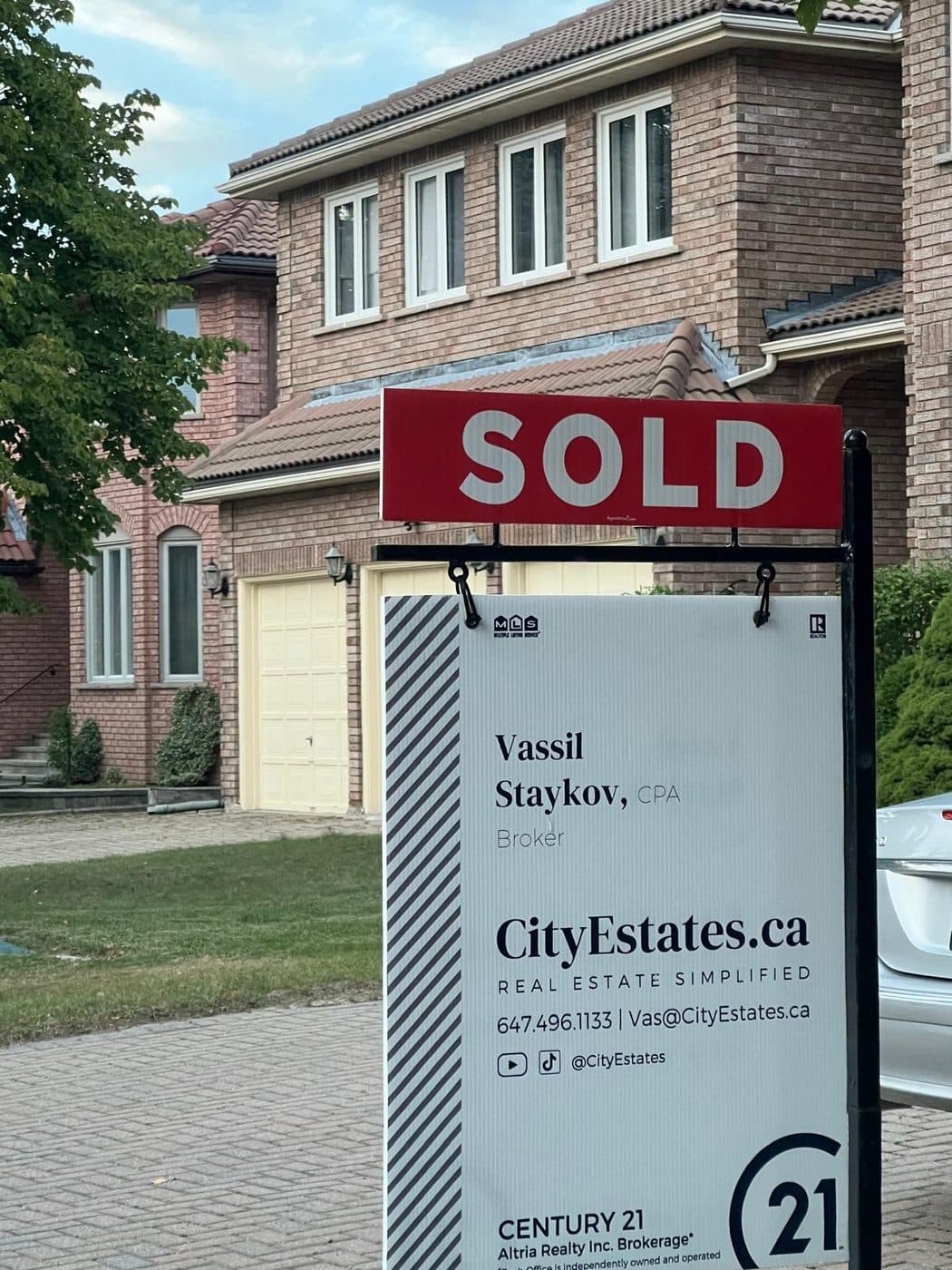
A recent Markham sale makes the point. There was already a listing on the same street, essentially the same original builder-grade home, about twenty years old, as the one I was selling. We put more into our preparation, cleaned the place up properly, and made sure it showed and even smelled right, things the other home had not addressed. Our final sale price came in about $115,000 higher, and it sold in seven days. The other listing took around three months, cutting the price and chasing the market down. I would not claim preparation or representation alone accounts for the entire gap, since every home and every buyer is different, but the contrast in how the two came to market was hard to miss. I have a few comparisons like that from the past year, and I am happy to walk through them side by side.
So if your home is not selling, do not just drop the price and hope. Work out which signal you are getting, be honest about how you actually compare to the competition, and fix the real problem, whether that is the price, the prep, or the strategy. If you want a straight read on which one it is, I am glad to take a look and tell you.